

Every major holiday weekend on Long Island, from Thanksgiving Eve through New Year’s Day, Memorial Day, and Labor Day, Nassau County Police, Suffolk County Police, and New York State Troopers put extra DWI patrols and sobriety checkpoints on the road. Busy corridors like Old Country Road, the Meadowbrook Parkway, the Long Island Expressway, and Sunrise Highway see heavy late-night enforcement. Most of the people who call or text me over a holiday weekend are not repeat offenders. They are working people, business owners, and licensed professionals who had dinner with family or left a holiday gathering and suddenly saw flashing lights behind them.
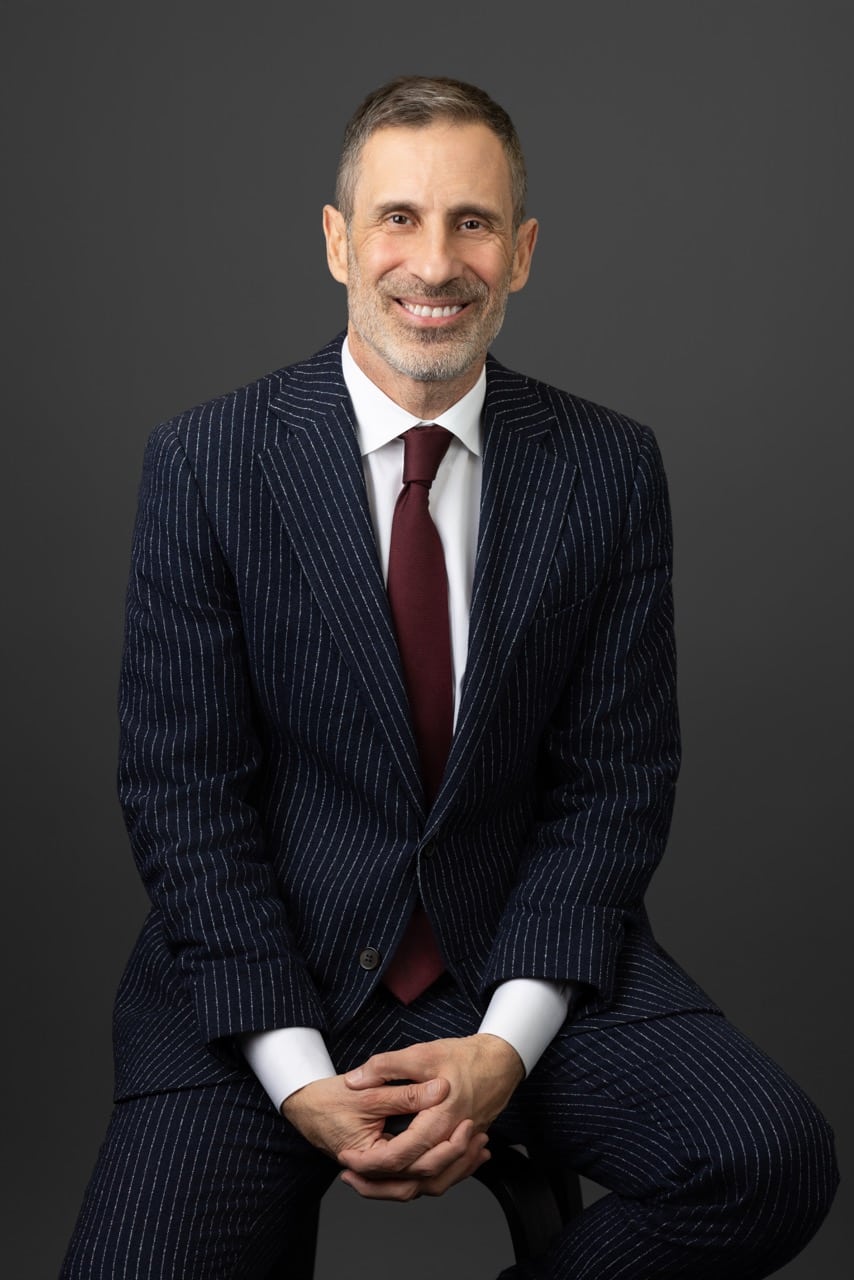
Being arrested when regular courts and offices are closed feels overwhelming, especially when you need to be back at work on Monday morning. I am Ed Palermo, and I have defended Nassau County DWI and Suffolk County DWI cases for over 31 years. Here is what actually happens over a holiday weekend and what you need to do right away to protect your license and your record.
- 31+ Years defending DWI cases on Long Island
- 2,000+ Clients personally represented
- 7× Best Lawyer on Long Island
What Happens Right After a Holiday Weekend DWI Arrest
After a roadside stop or checkpoint encounter, the officer will usually ask you to perform field sobriety tests and take a preliminary breath test on the side of the road. If you are arrested, you are brought to a precinct or State Police barracks for processing and asked to take a chemical breath test (or, in some cases, a blood test) under Vehicle and Traffic Law section 1194.
From there, one of two things happens depending on the charge, your record, and whether there was an accident:
- Held for weekend arraignment: In Nassau and Suffolk, many first-time DWI arrests are held overnight so you can be brought before a judge the next morning in a weekend arraignment part. Even on Thanksgiving, Christmas weekend, or New Year’s Day, arraignment courts run every single day of the year.
- Released on a Desk Appearance Ticket (DAT): In certain non-accident cases, police may process you and release you from the precinct with a ticket directing you to appear in court on a set date a few weeks later.
Do not wait until Monday to call a lawyer. Weekend arraignment parts in Hempstead and Central Islip open in the morning, and having an attorney appear with you at arraignment can protect your rights immediately, argue for release without bail, and lay the groundwork for a hardship driving privilege.
Nassau vs. Suffolk: How Holiday Weekend Cases Move
Where you were stopped makes a real difference in how your case starts and how long it takes to resolve. Even though both counties enforce the same New York Vehicle and Traffic Law, Nassau and Suffolk operate very differently in practice.
| Stage | Nassau County | Suffolk County |
|---|---|---|
| Weekend misdemeanor arraignment | Nassau County District Court, 99 Main St, Hempstead | First District Court, Central Islip (or local East End town/village court) |
| Where felony DWI moves after indictment | Nassau County Court, 262 Old Country Rd, Mineola | Suffolk County Court, Riverhead |
| Prosecutor plea posture | Very strict; reductions must be earned through litigation | Case-specific; early mitigation and defense leverage matter |
| Typical post-plea timeline on a reduction | Often around 4 months | Often around 6 months |
If your stop happened along a major commercial strip like Old Country Road or the Meadowbrook Parkway, you can also read my Carle Place DWI lawyer page for details on how Nassau handles arrests in that corridor.
Arrested over a holiday weekend?
Text my personal cell right now, day or night. Tell me where the stop happened and whether you have a morning arraignment, and I will text you back directly.
click here to text my cell
TEXT ED NOW
Suffolk (631) 265-1052
Nassau (516) 280-2160
Holiday Sobriety Checkpoints on Long Island
Police do not have a blank check at a holiday DWI roadblock. Under New York Court of Appeals precedent, including People v. Scott, a sobriety checkpoint is only lawful if police follow strict constitutional rules. Officers cannot simply pull over whichever cars look suspicious to them.
When I defend a checkpoint arrest, I demand the written checkpoint plan and look closely at whether police followed every requirement:
- A neutral, pre-set pattern: Officers must stop vehicles using a fixed formula, such as every car or every third car, rather than exercising unguided discretion.
- Advance visibility and safety: The checkpoint must be clearly marked with warning signs, flares, cones, and lighting so drivers know they are approaching an official police roadblock.
- Minimal initial delay: The initial stop is supposed to be brief unless the officer observes specific, articulable signs of impairment.
- Supervisory authorization: The roadblock must be established by a supervisor following written department guidelines, not improvised by patrol officers on the spot.
If police cut corners on the checkpoint setup, the stop itself can be challenged and the evidence gathered afterward may be suppressed.
Your Driver’s License and Getting to Work on Monday
For most holiday weekend clients, the biggest immediate fear is losing the ability to drive to work. What happens to your license depends on whether you took the chemical test or refused it under Vehicle and Traffic Law section 1192 and section 1194:
- Breath test of .08 to .17 (DWI): Under New York’s Prompt Suspension Law, the judge will typically suspend your license at arraignment while the case is pending. You can ask for a hardship privilege at arraignment (or within a few business days) to drive to work, school, or medical appointments, but you must prove extreme hardship with documentation and witness testimony, not just your own word.
- Breath test of .18 or higher (Aggravated DWI): Carries higher fines and a minimum one-year revocation upon conviction, and judges scrutinize hardship applications more closely.
- Chemical test refusal: Your license is suspended at arraignment pending a separate DMV refusal hearing, and you cannot get a hardship privilege on a refusal. However, there is a lot of outdated information online about how these hearings actually work today.
With a chemical test refusal, the first 15 days are critical. If the DMV does not hold a hearing within 15 days of your arraignment, your license is temporarily restored pending the hearing. During Covid, the DMV moved refusal hearings online, and since then hearings have virtually never been scheduled within that 15-day window. In practice, my clients have their driving privileges restored after 15 days and then wait for a mailed notice from the DMV in Albany with the hearing date and Webex login details. I tell every client to forward that Albany notice to me the moment it arrives.
What happens at and after that hearing requires real DWI strategy. A refusal finding while your criminal case is still open triggers a revocation with no conditional license and no driving privileges at all during that period. Refusal hearings and appeals are notoriously difficult to win on the merits, so if we lose the hearing, I file an immediate appeal and request a stay of all penalties. Many attorneys who only handle a DWI here and there do not even know to do this, yet it is the only way to keep you driving while the criminal case is still pending. On a first offense with no aggravating factors, that stay is usually granted.
Even if the appeal is eventually denied and you do not get credit for the time on a stay, controlling when the revocation runs is what matters. We want the revocation period to happen at the end of the criminal case, because if the case resolves by plea, even with a reduction, we can run the time without a license concurrently rather than leaving you off the road twice.
If you are a nurse, doctor, lawyer, teacher, commercial driver, or business owner with a liquor or lottery license, a holiday weekend DWI can trigger reporting obligations or board review. Do not plead guilty just to get it over with. Read my guide on DWI defense for professionals and license holders before making any decision.
What to Do in the First 24 Hours
What you do right after release can shape your defense months later. Take these practical steps while the evening is still fresh:
- Write down your timeline: Note where you ate, what you drank and when, why the officer said you were stopped, how the roadside tests were conducted, and what the road and weather conditions were like.
- Save receipts and messages: Dinner receipts, credit card timestamps, and text messages often prove what you actually consumed and when.
- Do not drive on a suspended license: If the judge suspended your license at arraignment, arrange rides until a hardship privilege or conditional license is officially granted. Driving suspended turns a misdemeanor into a new criminal charge.
- Keep quiet outside your lawyer’s office: Do not post about the arrest on social media or explain it to coworkers or insurance adjusters before speaking with counsel.
- Bring your paperwork to a consultation: Gather the arrest paperwork, appearance ticket, any DMV refusal notice, and your court date.
When you hire me, I lead the strategy, the negotiations, the hearings, and the courtroom work on your case personally, with trusted colleagues available to assist or cover a scheduling conflict when two courts overlap. You can review the core defense issues I look for on my New York State DWI defense guide.
Frequently Asked Questions About Holiday Weekend DWI Arrests
Are Nassau and Suffolk courts open for DWI arraignments on Thanksgiving, Christmas, or New Year’s?
Yes. Both Nassau County District Court in Hempstead and Suffolk County First District Court in Central Islip run weekend and holiday arraignment parts every day of the year. If you are held overnight on a holiday, you will be brought before a judge the next morning, not held until the following week.
Will I be kept in jail all weekend after a first-offense DWI arrest on Long Island?
In most first-offense DWI cases without serious injury, no. You are either released from the precinct on a Desk Appearance Ticket or held overnight for morning arraignment, where judges typically release first-time defendants on their own recognizance.
Can I drive to work on Monday if my license was suspended at arraignment?
Not unless the judge grants a hardship privilege. If you blew .08 or higher, you can apply for a hardship privilege at arraignment or within a few days, provided you bring proof that you have no reasonable alternative way to get to work. If you refused the breath test, a hardship privilege is not available.
Are holiday DWI sobriety checkpoints legal in New York?
They are legal only if police follow strict constitutional guidelines, including a written supervisory plan, a neutral stopping pattern, clear warning signs and lighting, and minimal delay. If officers deviate from those rules, your attorney can challenge the legality of the stop.
What happens if I live out of state and get arrested for DWI while visiting Long Island for the holidays?
New York cannot physically seize an out-of-state driver’s license, but it will suspend your privilege to drive in New York and report a conviction or sustained refusal to your home state through the Interstate Driver License Compact. Your home state will typically impose its own license penalties as a result.
Does a holiday crackdown mean prosecutors will not reduce my DWI charge?
Holiday enforcement initiatives put more patrols on the road, but they do not change the law or eliminate valid defenses. Reductions in Nassau and Suffolk are earned by challenging the stop, the checkpoint plan, the field sobriety tests, and the breath-test records, along with presenting strong mitigation.
How soon is a DMV refusal hearing scheduled after a holiday weekend arrest?
Many websites still claim the DMV holds refusal hearings within 15 days of arraignment, but that has not been the reality since the DMV moved hearings online during Covid. If no hearing takes place within the first 15 days, your license is restored pending the hearing, and the DMV in Albany later mails a notice with a Webex hearing date and login instructions. Forward that notice to your lawyer immediately. If a refusal is sustained while your criminal case is still open, you cannot get a conditional license, so an experienced DWI lawyer can file an immediate appeal and request a stay to keep you driving until the revocation can run concurrently at the end of your criminal case.
Can I reach a DWI lawyer on a holiday or late at night?
Yes. You can text my personal cell at (631) 903-3733 any time, including holidays and weekends, or call my Suffolk office at (631) 265-1052 or Nassau office at (516) 280-2160. The earlier I see your paperwork, the faster we can prepare for arraignment and protect your license.
Need answers before your first court date?
Send me a quick text with the town where you were stopped and your court date. I handle Nassau and Suffolk DWI cases personally and will walk you through your options right away.
click here to text my cell
TEXT ED NOW
Suffolk (631) 265-1052
Nassau (516) 280-2160